

Diamond Colour & Clarity Guide


Diamonds have long captivated the human imagination with their timeless beauty and enduring sparkle. Yet, few buyers realise the intricacies involved in assessing a diamond’s quality. One of the most critical factors in this assessment is diamond clarity. The clarity of a diamond has a direct impact on its value and appearance, influencing both the visual appeal and overall investment worthiness. This guide will walk you through everything you need to know about diamond clarity, from understanding the GIA clarity scale to identifying which clarity grade best suits your needs.
What is Diamond Clarity and Why is it Important?
Diamond clarity refers to the evaluation of the number, size, nature, and position of imperfections found within and on a diamond. These imperfections are categorised into two main types: diamond inclusions (internal characteristics) and diamond blemishes (external characteristics). Clarity is crucial because these imperfections can affect a diamond’s beauty and structural integrity.
In the world of diamonds, clarity sits alongside cut, colour, and carat weight as part of the “4 Cs,” which collectively determine a diamond’s quality and price. While some diamonds may appear flawless to the naked eye, they may still contain minute imperfections when examined under magnification. Understanding diamond clarity grades helps you make a well-informed decision about which grade provides the best balance of beauty and value.
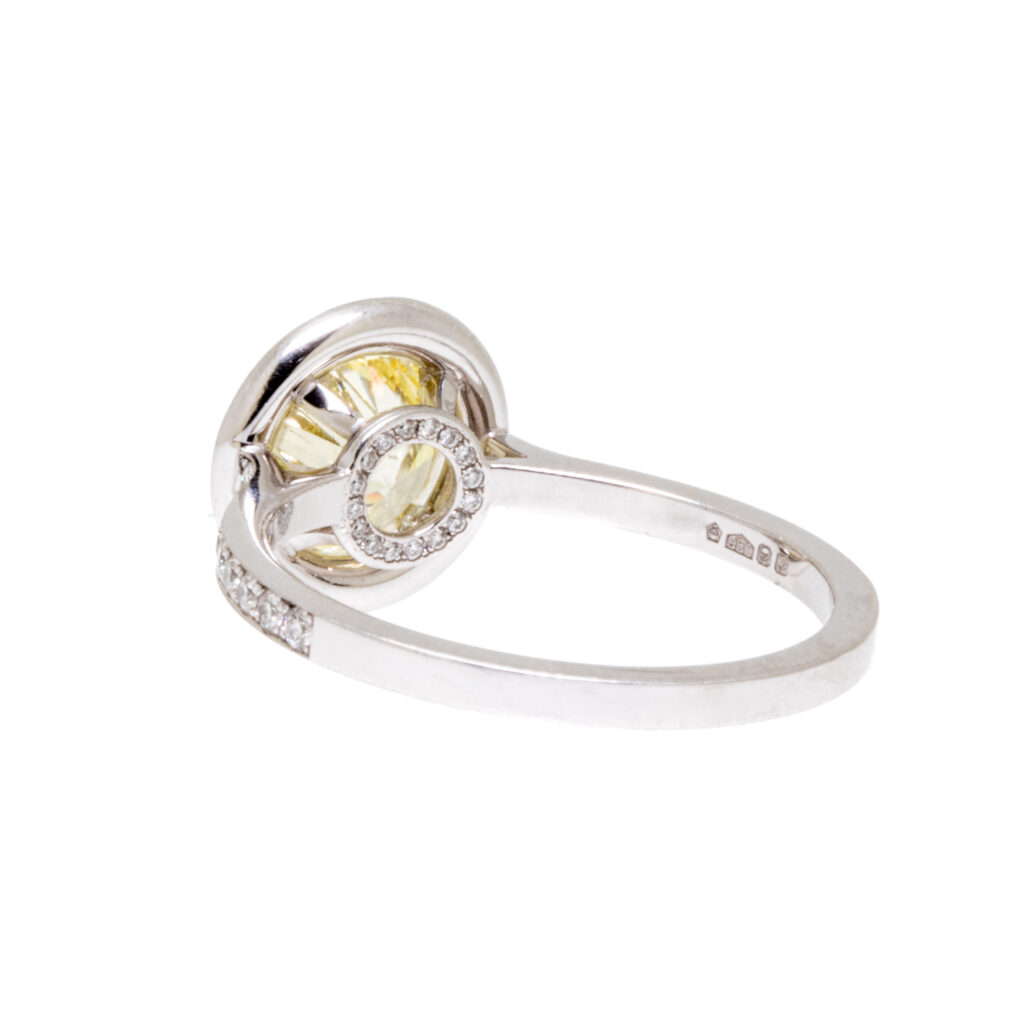
Understanding the GIA Clarity Scale
The GIA clarity scale is an internationally recognised system developed by the Gemmological Institute of America. It categorises diamonds into six main clarity grades:
- Flawless (FL): No diamond inclusions and no blemishes that are visible under 10x magnification.
- Internally Flawless (IF): No inclusions, but minor blemishes on the surface.
- Very, Very Slightly Included (VVS1 and VVS2): Inclusions are so minute that they are challenging to see, even under 10x magnification, with VVS2 having more inclusions than VVS1.
- Very Slightly Included (VS1 and VS2): Inclusions are visible with effort under magnification but remain minor. VS1 has fewer inclusions than VS2.
- Slightly Included (SI1 and SI2): Inclusions are observable under 10x magnification and might be visible to the naked eye. SI1 has fewer inclusions than SI2.
- Included (I1, I2, and I3): Inclusions are clearly visible and may affect both the brilliance and structural durability of the diamond. From least to most inclusions, the grades are ordered I1, I2, and I3.
Each grade on the GIA clarity scale provides insight into the visibility of imperfections and their impact on a diamond’s aesthetic appeal. As a rule of thumb, the fewer the imperfections, the more valuable the diamond.
Types of Inclusions and Blemishes
Inclusions are imperfections within the diamond. They can take various forms:
- Feathers: Tiny fractures that resemble the delicate patterns of a feather.
- Crystals: Mineral deposits trapped within the diamond, sometimes appearing as tiny white, black, or coloured specks.
- Needles: Thin, elongated inclusions that look like minute needles embedded in the stone.
- Clouds: Clusters of tiny inclusions that create a cloudy or hazy appearance.
Blemishes are surface imperfections, and common types include:
- Scratches: Fine lines on the diamond’s surface.
- Polish lines: Subtle marks left by the polishing process.
- Chips: Small breaks that can occur due to impact or rough handling.
Understanding these differences helps buyers assess how a diamond’s imperfections may impact its beauty and longevity.


How Clarity Affects a Diamond’s Appearance and Brilliance
The brilliance and sparkle of a diamond are derived from how well light travels through it. Certain inclusions and blemishes can disrupt this light flow, reducing the diamond’s sparkle and overall allure. High-clarity diamonds generally exhibit better light performance, but this comes at a premium.
However, not all imperfections are equally impactful. Many diamonds graded as eye-clean diamonds—those with no visible inclusions to the naked eye—can appear just as dazzling as higher-clarity stones. Therefore, selecting the right clarity grade can be a matter of balancing visual beauty and financial considerations.
Tips for Choosing the Right Clarity Grade
Here are practical tips for selecting a suitable clarity grade:
- Budget: Decide how much you’re willing to spend and prioritise clarity accordingly. If budget is a concern, an eye-clean diamond with an SI1 or VS2 grade may offer excellent value.
- Diamond Size: Larger diamonds reveal imperfections more easily. Thus, higher clarity grades are often recommended for stones over one carat.
- Preferences: Consider how the diamond will be used. Engagement rings, for example, may warrant a clearer stone since they are often examined up close.
The Impact of Clarity on Price
Clarity is a significant factor in a diamond’s price. Flawless diamonds command a substantial premium compared to diamonds with minor inclusions, even if the imperfections are not visible to the naked eye. Balancing clarity with cut, colour, and carat weight is essential for maximising value. For instance, a slightly lower clarity grade could allow you to invest more in a superior cut, enhancing the diamond’s overall beauty.
Myths and Misconceptions About Diamond Clarity
One common misconception is that only Flawless diamonds are worth purchasing. In reality, most inclusions are undetectable without magnification and do not affect the diamond’s visual appeal. Another myth is that imperfections are always obvious. In fact, many diamonds have inclusions that are completely invisible to the naked eye, making them great choices for jewellery.
How to Read a Diamond Clarity Chart or Grading Report
Interpreting a diamond clarity chart or a GIA grading report can seem daunting. Start by identifying the clarity grade and reviewing the inclusion plot, which outlines the type and position of imperfections. This information helps you understand the diamond’s clarity and overall quality.
The Role of Magnification in Assessing Clarity
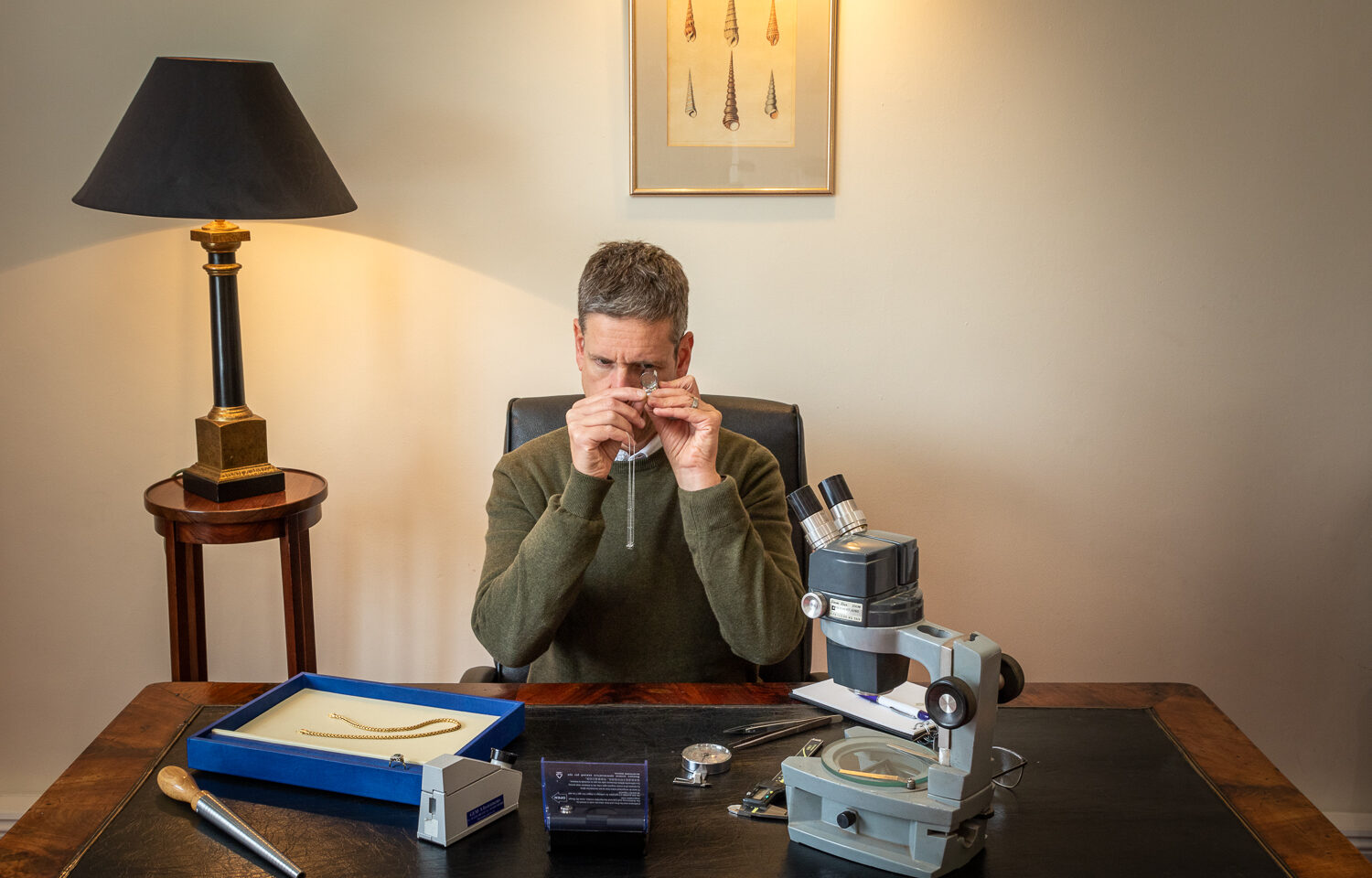
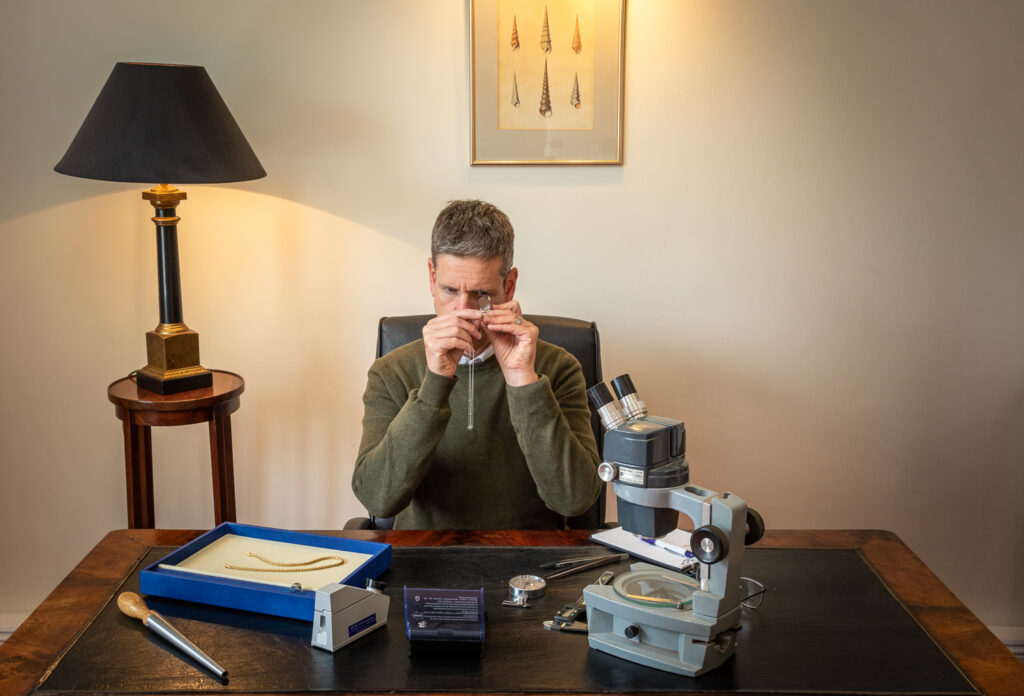
Magnification tools, like a jeweller’s loupe or a microscope, are indispensable in evaluating diamond clarity. These instruments reveal details invisible to the naked eye, giving a more comprehensive understanding of a diamond’s quality. However, remember that diamonds are typically viewed in everyday life without such tools, so not all imperfections are of equal importance.

Clarity-Enhanced Diamonds: Pros and Cons
Clarity-enhanced diamonds have undergone treatments to improve their appearance. While these diamonds are more affordable, they may have durability issues and reduced resale value. If you’re considering such a diamond, be sure to consult a trusted jeweller and weigh the potential benefits and drawbacks carefully.
Understanding Diamond Colour
Diamond colour refers to the presence or absence of tint in a white diamond. Diamonds are graded on a scale from colourless to light yellow or brown using the GIA colour scale, which ranges from D (colourless) to Z (light colour).
The Colour Scale Explained
Jewellers typically use these categories:
- Colourless (D-F): Exceptionally rare.
- Near Colourless (G-H): Rare.
- Near Colourless (I-J): Commercial quality.
- Faint Tint (K-M): Noticeable warmth, often set in yellow gold to enhance the tint.
- Very Light to Light Tint (N-Z): Visible colour, less common in fine jewellery.
Tip: Many buyers opt for F-H grades for engagement rings, balancing quality and value.
Colour and British Hallmarking
The UK’s strict hallmarking laws ensure precious metal purity. When choosing a diamond colour:
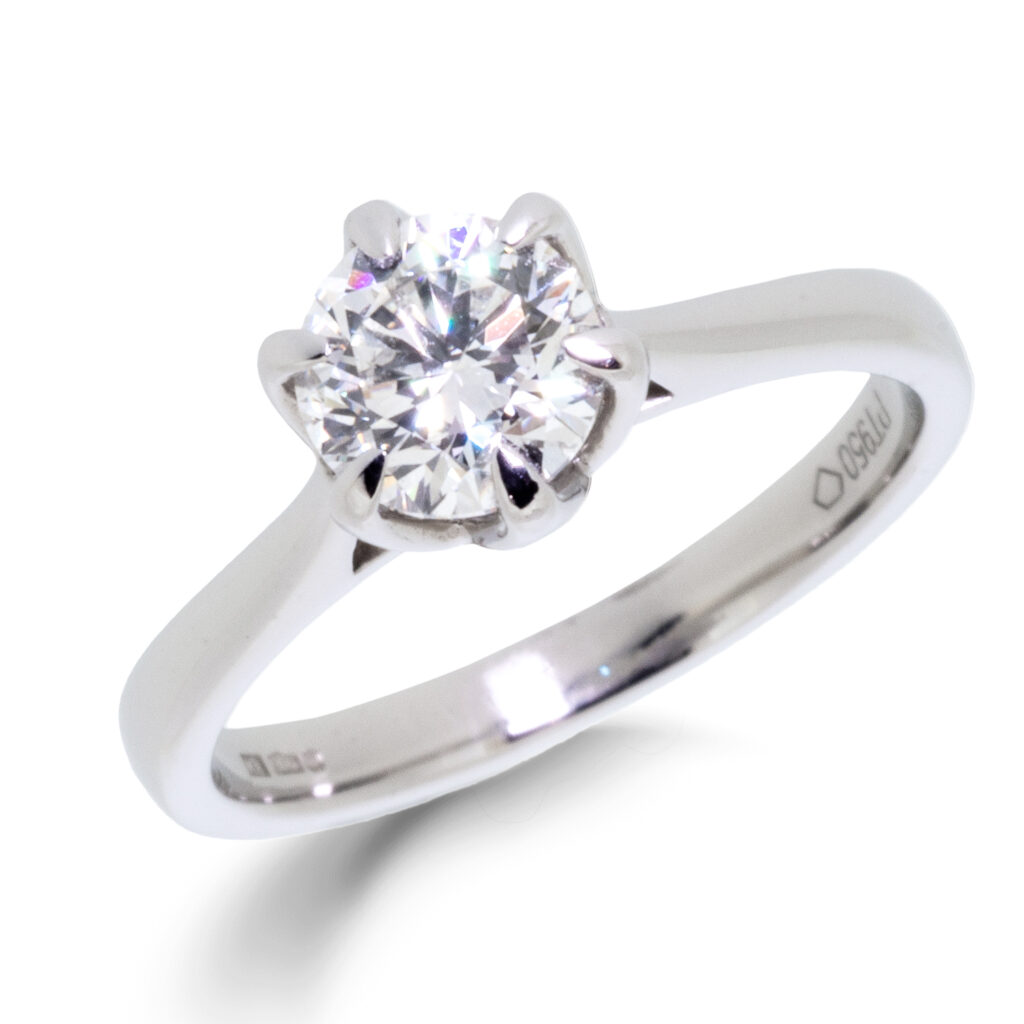
- For 18ct white gold or platinum, consider D-H grades.
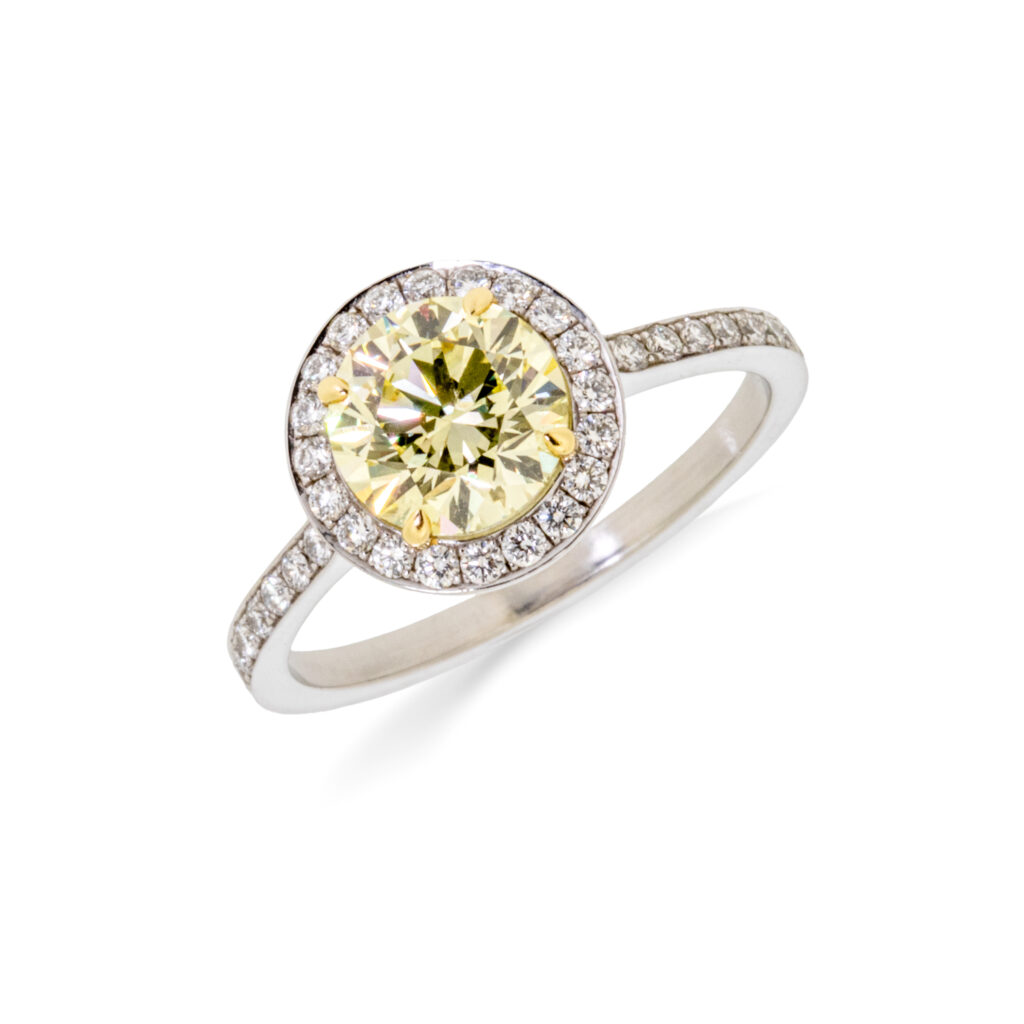
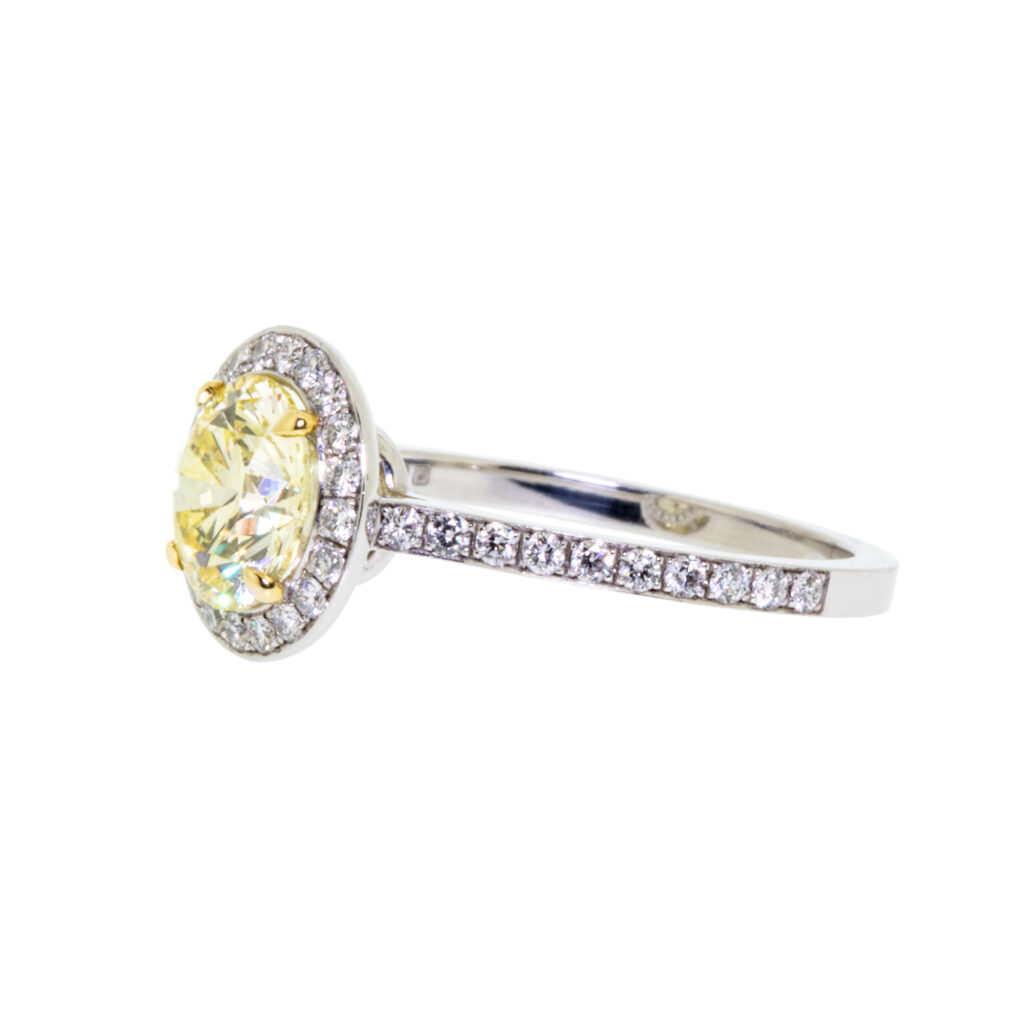
- For 18ct yellow gold, I-J grades to enhance the tinted colour.
Consumers often prioritise:
-
- Cut quality for maximum brilliance
- Colour grade
- Clarity
Important Points to Consider:
- Metal Choice:
- Platinum: D-H grades shine whiter.
- 18ct gold: I-J grades are more tinted, but can be less expensive.
- Diamond Shape:
- Round brilliants mask colour better than some other cuts.
- Certification:
- Look for GIA or IGI certificates on Diamonds over 0.50ct, widely recognised in the UK.
Pricing Considerations Based on Diamond Colour
The price difference between D and H can be significant. Some jewellers recommend F-H for the best value.
Choose From a Premium Selection of Diamonds at Owen & Jones
Understanding diamond clarity is an essential step in choosing the perfect diamond, and at Owen & Jones, we’re here to guide you through this process with expertise and care. Whether you’re navigating the intricacies of the GIA clarity scale or learning to identify inclusions, our bespoke service ensures that your diamond balances elegance and budget. Visit our showroom in Hungerford, Berkshire, to consult with our skilled goldsmiths, Stephen and Gary, who are passionate about crafting or remodelling jewellery tailored to your vision. Contact us today and let us help you make a truly informed and personalised choice, ensuring your jewellery investment is a timeless treasure.